
Why January Can Feel Emotionally Heavy
January is often portrayed as a fresh start — a clean slate filled with motivation, goals, and positive energy. Yet for many people, the reality is very different. Instead of feeling hopeful or energised, January can feel flat, heavy, or emotionally tiring.
If that’s been your experience, you’re not alone — and there’s nothing “wrong” with you. There are several very common reasons why emotions can feel closer to the surface at this time of year.
Below are some of the most common contributors.
The Emotional Hangover From the Holidays
The holiday period often requires a lot of emotional energy. Even when parts of it are enjoyable, it can involve:
Socialising more than usual
Managing family expectations
Disrupted routines
Extra responsibilities
Little time to properly rest
During busy or emotionally charged periods, many people stay in “get through it” mode. Once the pace slows in January, the body and mind finally have space to register what’s been happening.

That delayed response can show up as:
Fatigue
Low mood
Tearfulness
Irritability
Anxiety
Family Dynamics and Unmet Expectations
The holidays can highlight family dynamics that are difficult, complicated, or unresolved. For some people, January brings a sense of relief that the season is over — followed by sadness, disappointment, or guilt.
Unmet expectations often play a role. This might include:
Hoping relationships would feel closer than they did
Wanting more support or understanding
Feeling pressure to “enjoy” time together
Not feeling seen or heard
Once the noise of the holidays fades, these feelings can become more noticeable. January can be the month where people quietly realise, “That was harder than I expected.”
Grief, Loneliness, and Life Changes Become More Visible
Busyness can sometimes act as a buffer against difficult emotions. When routines slow down, experiences such as grief, loneliness, or major life changes often come into clearer focus.
This might include:
Grieving the loss of someone, even if it happened years ago
Adjusting to separation, divorce, or changing family roles
Children becoming more independent or leaving home
Feeling disconnected from others once social events end
Many women notice this emotional weight more strongly during midlife transitions, which is explored further in this article.
January can create space — and while space can be healing, it can also allow unprocessed feelings to surface. This isn’t a setback; it’s often part of emotional processing.
Nervous System Fatigue After a Big Year
Many people arrive in January already exhausted.
A year filled with stress, uncertainty, caregiving, work pressure, or emotional load can leave the nervous system overstretched. When the external demands ease, the body may respond with:
Low energy
Brain fog
Heightened anxiety
Trouble sleeping
Feeling emotionally sensitive
Rather than signalling failure or weakness, these responses often indicate that your system needs steadiness, rest, and support.
If anxiety feels more present at this time of year, you may find it helpful to read more about how anxiety can show up in everyday life.
January doesn’t have to be a time for pushing forward. For many people, it’s a time for gentle regulation.
There’s Nothing Wrong With a Slow Start
It’s important to say this clearly:
Feeling flat, unmotivated, or emotionally heavy in January does not mean you’re doing the new year “wrong”.
Slowness can be a sign of recovery.
Reflection can be a sign of awareness.
Needing support can be a sign of strength.
You don’t need resolutions, reinvention, or forced positivity. Sometimes the most supportive approach is simply allowing yourself to arrive where you are.
How Counselling Can Help
Counselling offers a confidential, supportive space to:
Talk through what surfaced over the holidays
Understand emotional patterns without judgement
Explore stress, anxiety, grief, or life transitions
Build steadiness and coping strategies at your own pace
You don’t need to be in crisis to seek support. Many people use counselling as a way to gently reset, reflect, and care for their emotional wellbeing.
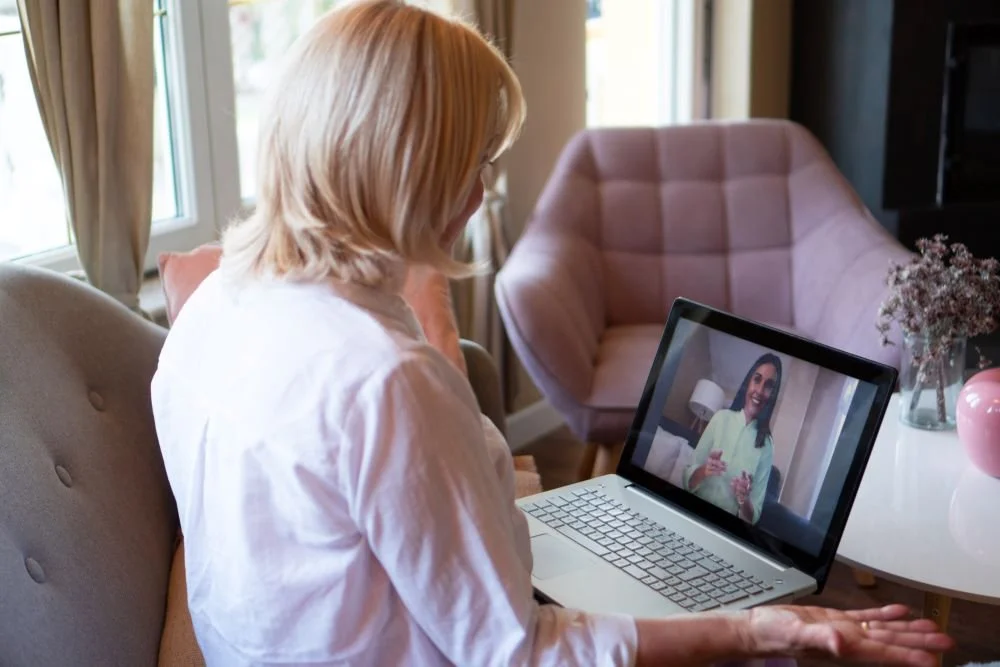
If January feels heavier than expected, you’re not alone — and you don’t have to navigate it by yourself.
Support is available when and if it feels right for you.
🌿 Thyme Therapy offers calm, supportive telehealth counselling for women across Australia.
If you feel ready to explore support, you’re welcome to book a free 15-minute connection call to see if we are the right fit.
👉 Book your free chat at: Online Booking
💻 Telehealth counselling available Australia-wide
About the Author
Kate G is a qualified counsellor with a Bachelor of Counselling and the founder of Thyme Therapy, providing personalised online counselling for women navigating anxiety, overwhelm, and life transitions. With a warm, down-to-earth approach, Kate supports clients to build confidence, find clarity, and reconnect with themselves — one step at a time.
Disclaimer: This article is for general information and educational purposes only. It is not a substitute for professional psychological assessment, diagnosis, or treatment. If you are experiencing significant distress, please seek support from a qualified mental health professional, Lifeline 13 11 14 or your GP. If you are in immediate danger, call 000.